

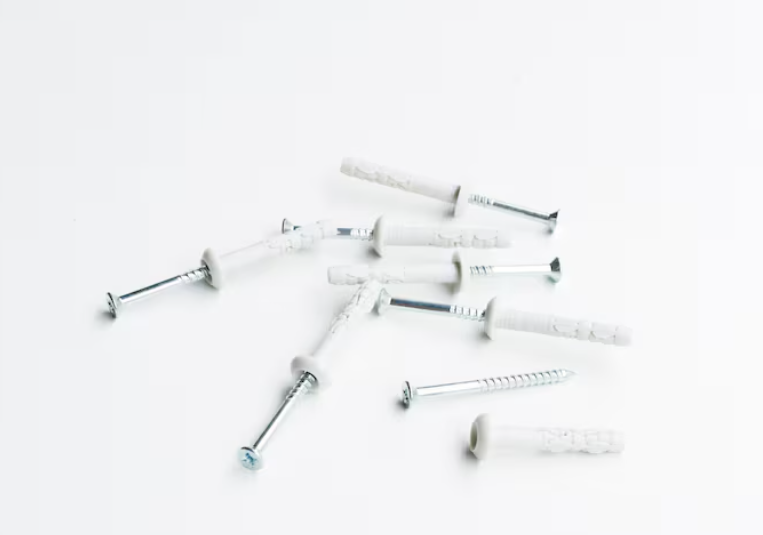
The coating applied to screws significantly affects how well they perform over time, especially when exposed to moisture, weather, or harsh environments. While the base metal provides structural strength, the coating is what protects screws from corrosion, oxidation, and premature failure. Understanding screw coatings helps builders choose the right fasteners for durability, safety, and long-term reliability.
Why Screw Coatings Matter
Screws without protective coatings rust quickly, weakening their ability to hold materials securely. Corrosion not only reduces strength but also causes staining and makes removal difficult. Coatings act as a barrier that prevents environmental elements from damaging the metal, allowing screws to maintain their performance even in demanding conditions.
Zinc-Plated Coatings for Basic Protection
Zinc plating is one of the most common screw coatings. It provides moderate corrosion resistance and is suitable for indoor or low-moisture environments. Zinc protects the screw by sacrificing itself through a galvanic process, slowing down rust formation. These screws are ideal for general household tasks, furniture assembly, and indoor construction.
Hot-Dipped Galvanized Screws for Heavy Outdoor Use
Hot-dipped galvanization adds a thick, durable layer of zinc to screws, offering superior rust protection for outdoor conditions. These coatings withstand rain, humidity, soil contact, and temperature changes, making them ideal for decks, fencing, roofing, and agricultural projects. The rough finish also enhances grip in pressure-treated lumber.
Ceramic-Coated Screws for Extreme Durability
Ceramic coatings provide exceptional corrosion resistance and are often used for coastal, marine, or high-humidity environments. These coatings do not break down easily and protect screws from saltwater exposure and chemical corrosion. Their durability makes them a top choice for exterior construction and long-term outdoor applications.
Black Oxide for Smooth Finish and Light Protection
Black oxide coatings offer mild corrosion resistance while creating an attractive finish ideal for interior applications. They reduce friction during installation and protect against minimal moisture exposure. While not suitable for harsh environments, black oxide screws are excellent for furniture, electronics, and decorative projects.
Epoxy and Polymer Coatings for Chemical Resistance
Epoxy and polymer coatings provide strong defense against chemicals, solvents, and industrial contaminants. These coatings bond tightly to the screw surface, forming a protective shield that resists peeling and wearing. They are commonly used in industrial facilities, chemical plants, and environments where metal fasteners may come into contact with corrosive substances.
Stainless Steel: A Natural Corrosion-Resistant Material
Although not technically a coating, stainless steel naturally resists corrosion due to its chromium content. Stainless steel screws are ideal for outdoor structures, marine applications, and settings where long-term moisture exposure is expected. Their durability makes them a premium choice for demanding environments where coated carbon steel may not be sufficient.
Choosing the Right Coating for the Right Environment
Selecting the proper screw coating depends on where the screws will be used. Indoor projects may only require zinc plating or black oxide, while outdoor applications benefit from galvanized or ceramic-coated screws. Industrial or chemical environments may demand epoxy or polymer-coated fasteners. Matching coating to conditions ensures maximum performance and safety.
Long-Term Benefits of Using Coated Screws
Coated screws extend project lifespan, reduce maintenance needs, and prevent structural failures caused by rust. By investing in screws with appropriate coatings, builders and homeowners can protect their work from the elements and ensure lasting strength. Proper coating selection leads to safer, more durable results in any construction or DIY project.
